Feline Indoor Enrichment & Mental Stimuli
Transforming indoor living spaces into predator-friendly environments to eliminate stress, territorial marking, and chronic lethargy.
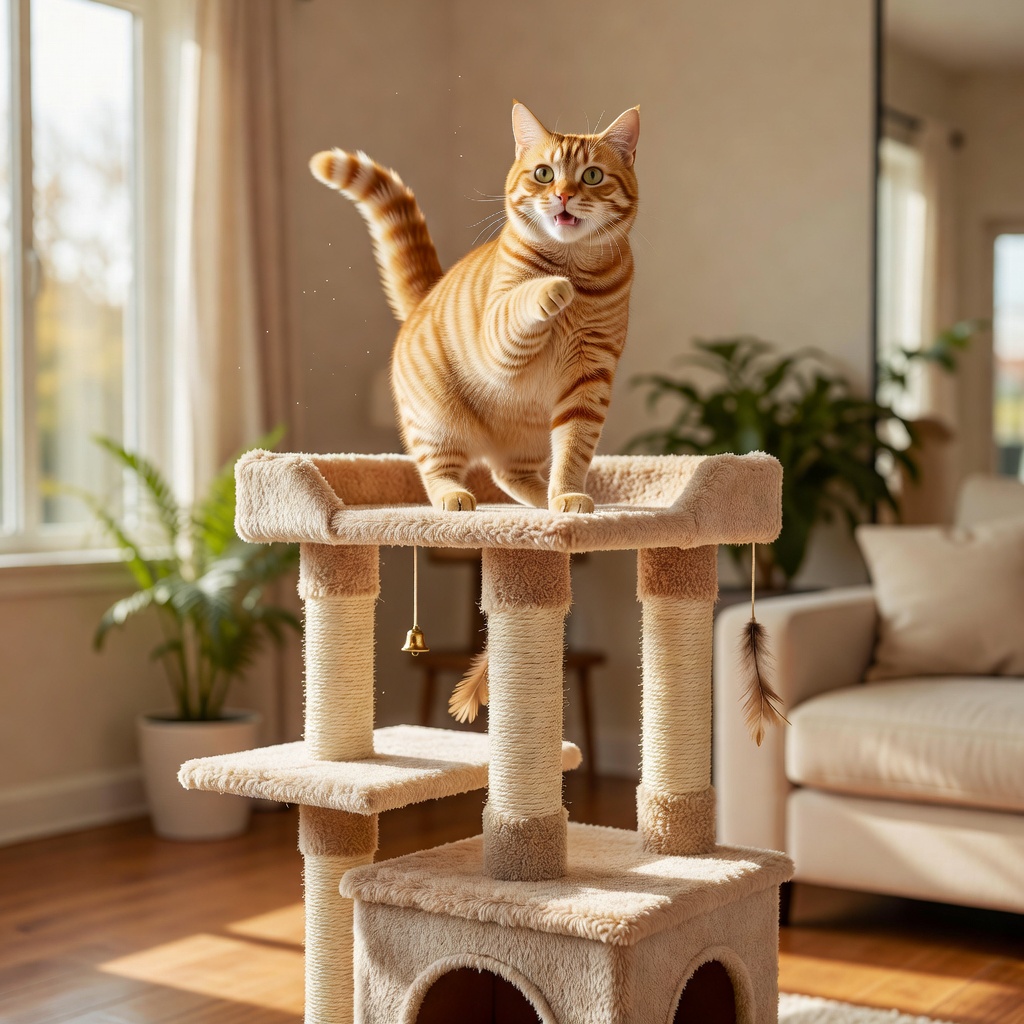
1. Understanding the Feline Prey Sequence
Cats are obligate carnivores and hardwired ambush predators. When confined indoors without adequate stimulation, their natural hunting instincts become suppressed, leading to behavioral disorders such as over-grooming, nocturnal vocalization, or aggression toward housemates.
To satisfy your cat's psychological needs, every daily interaction should mirror the natural hunting sequence: Hunt → Catch → Kill → Eat → Groom → Sleep.
2. Vertical Territory Architecture
In a domestic home, floor space belongs to humans and dogs. Cats calculate their safety through elevation. Increasing vertical territory doubles your cat’s usable living area without requiring additional square footage.
- High-Altitude Window Perches: Positioned near bird feeders or active garden views.
- Interconnected Cat Wall Shelves: Allowing non-stop travel across room perimeters without touching the floor.
- Multi-Textured Scratch Posts: Sisal rope, natural cork, and corrugated cardboard placed near sleeping areas.
Check Your Cat's Enrichment Score
Curious if your home offers enough cognitive challenge? Use our interactive evaluation tool to receive a customized recommendation.
Test Your Home Setup →3. Interactive Play & Food Puzzles
Ditch the stationary food bowl! Free-feeding dry kibble deprives cats of mental exercise. Instead, hide puzzle feeders filled with freeze-dried treats around the living room before you leave for work.
Need expert guidance on multi-cat household tension?
Our animal behaviorists are available to review your home layout.